Choose a life you want to follow, then choose the era.
The best historical fiction books give the past a human scale. A war may change a border. A novel can ask what that change does to a marriage, a home or a child. The setting matters, but it is the people who keep you reading.
My first pick is Pachinko. Its family story offers a clear way into a large span of history. The other six choices suit different moods: court politics, linked generations, a strange narrator, a young wife's fear, a long building project and a romance that crosses time.
This is a short shelf of strong starting points, not a claim to name the seven greatest novels ever written. Use the tradeoffs as much as the praise. A book can be excellent and still be wrong for the week you have.
| Book and setting | Choose it for |
|---|---|
| Pachinko Korea and Japan, 20th century | A family story across generations |
| Wolf Hall Tudor England | Power, politics and a demanding voice |
| Homegoing Ghana and the United States | Linked lives across centuries |
| The Book Thief Nazi Germany | Language, friendship and grief |
| The Marriage Portrait Renaissance Italy | A close, tense portrait of a young wife |
| The Pillars of the Earth 12th-century England | A long, plot-driven medieval saga |
| Outlander 18th-century Scotland, via time travel | Romance, adventure and a large series |
1. Pachinko by Min Jin Lee
Best first choice for a family epic
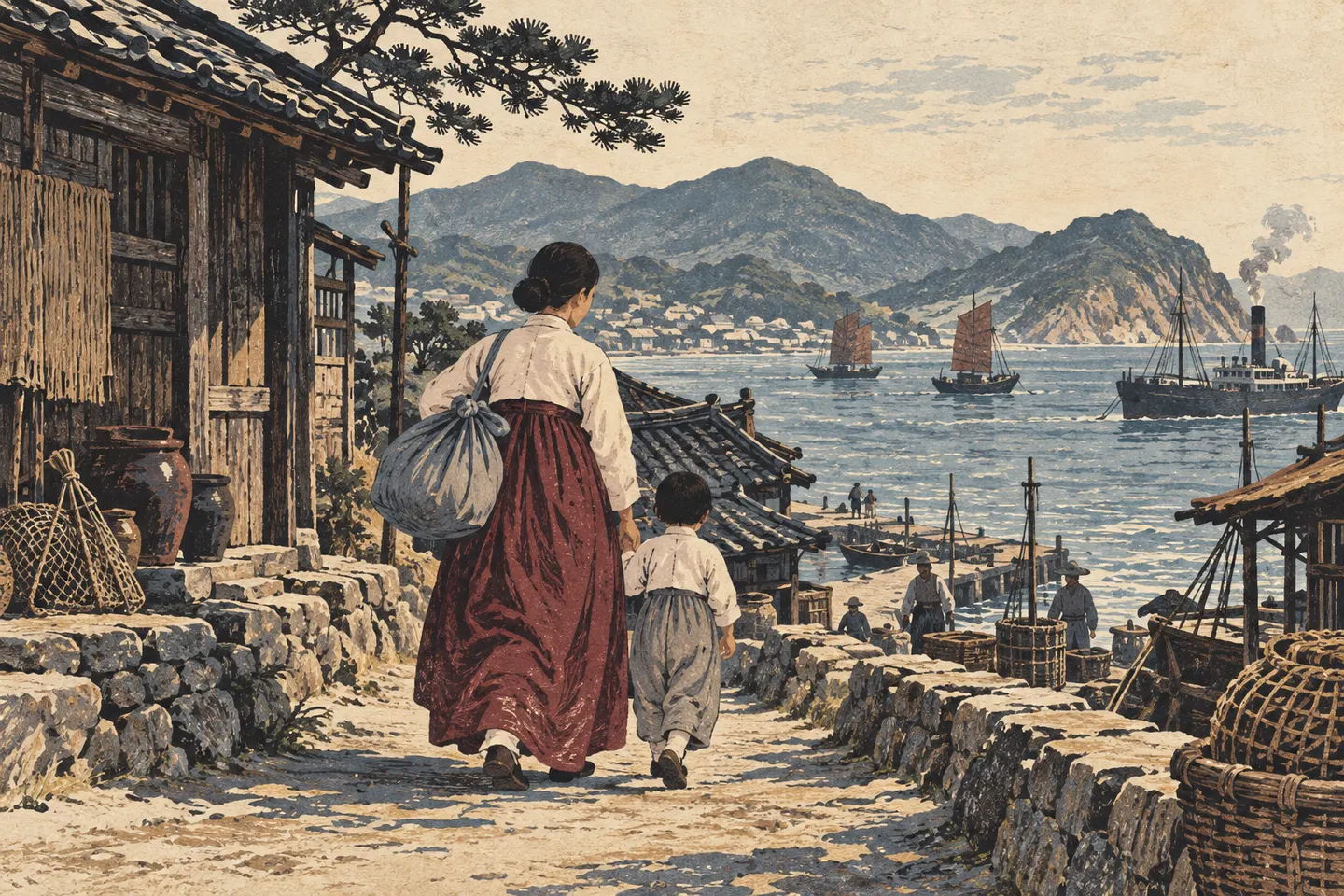
Pachinko follows four generations of a Korean family, with much of its story in Japan. Sunja's early choices set the family on a new course. Work, money, faith and the need to belong shape the lives that follow.
I would choose it for a reader who wants historical fiction with a clear human thread. You have a family to follow when the years and places change. The broad sweep grows from small needs: food, safety, a job, a future for a child.
The tradeoff is that time keeps moving. If you want every part of one person's life to unfold at equal length, a family epic may leave you wanting to linger. Later generations bring new concerns, and your favorite character cannot hold the center forever.
Choose it when you want a substantial novel with both private and social stakes. Pass for now if you need a light read. Prejudice, loss and harsh choices are central to this family history.
Reading fit: a good broad entry into historical fiction, especially for readers drawn to family bonds more than royal courts.
2. Wolf Hall by Hilary Mantel
Best for political life at close range
Wolf Hall follows Thomas Cromwell's rise in the court of Henry VIII. Hilary Mantel makes power a matter of reading people, finding openings and knowing what a room will bear. This is court politics from close to a mind that works fast.
It is my pick for readers who enjoy having to pay attention. Names, loyalties and small shifts in speech matter. Mantel does not turn Tudor history into a simple march from one famous event to the next.
That closeness can also make the novel hard to enter. Its use of pronouns and its large cast ask you to keep your bearings. Sample the opening before you buy. If the voice works for you, the effort is part of the pleasure. If it does not, an award will not make the style suit you.
The Booker Prize's entry for Wolf Hall records its 2009 win. That is a useful mark of its standing, not a reading order. Start here because you want Cromwell's world. It is the first book in a trilogy.
Reading fit: literary historical fiction for a reader who likes political stakes and a dense social world.
3. Homegoing by Yaa Gyasi
Best for linked lives across generations
Homegoing begins with two half-sisters on the Gold Coast. One remains in Africa; the other is taken into slavery. Yaa Gyasi follows their family lines through later generations in Ghana and the United States.
The structure is the reason to choose it. Each new life changes the view of what came before. A short personal story can carry a long chain of causes. The novel asks how much of a person's world was shaped before they were born.
It is also the chief tradeoff. Just as you settle with one character, the focus moves. Readers who want a single lead may feel that loss of time. Readers who like linked stories may find that the gaps make the family links more forceful.
This is a shorter physical commitment than some epics on this list, but not a lighter emotional one. Slavery, racism and violence are central. Give the chapters room instead of treating each new generation as a box to tick.
Reading fit: a book club that likes to trace patterns across a whole novel, rather than follow one main plot.
4. The Book Thief by Markus Zusak
Best for a distinctive narrator
The Book Thief tells the story of Liesel Meminger in Nazi Germany. She lives with foster parents Hans and Rosa Hubermann, learns to read and forms bonds that war puts at risk. Death tells the tale.
That voice is the decision point. If you like a narrator who comments, looks ahead and shapes the mood, this may be the book for you. If you want a voice that stays out of sight, try a sample first.
I would choose it for its focus on words and small acts of care. I would not choose it as a complete account of World War II or the Holocaust. Liesel's fictional story needs to sit beside real history.
Our full review of The Book Thief looks more closely at its style, audience and emotional weight. The U.S. young adult label does not mean the book is mild. War, antisemitism and death shape it from the start.
Reading fit: teens and adults who want a language-led story and are ready for grief.
5. The Marriage Portrait by Maggie O'Farrell
Best for an intimate Renaissance story
The Marriage Portrait centers on Lucrezia de' Medici and her marriage to Alfonso, Duke of Ferrara. Maggie O'Farrell uses a young woman's place in a powerful family to build a story of fear, control and limited choices.
This is the choice for a reader who wants to stay close to one life. Fine clothes, rooms and painted surfaces are not just decoration. They can also make a cage look beautiful. The contrast between rank and freedom gives the premise its force.
Expect a patient, sensory style. A reader who wants a quick account of Medici politics may find the close attention to feeling too slow. Someone drawn to atmosphere and a young wife's unease has a better reason to choose it.
Lucrezia was real; the novel's access to her thoughts is an act of fiction. Keep that line clear. A convincing inner voice is not a surviving diary.
Reading fit: readers who prefer a tense household to a wide battlefield, and rich detail to brisk summary.
6. The Pillars of the Earth by Ken Follett
Best for a long medieval saga
The Pillars of the Earth sets a cathedral project at the heart of life in fictional Kingsbridge. Ken Follett builds a large story around work, faith, money and power in 12th-century England.
The appeal is the long view. A building needs more than a good design. It needs labor, funds and people who can keep going when those with power change their minds. That gives the plot a firm center while lives spread around it.
In a reader discussion of historical fiction, one fan points to its cast and span of decades. That describes the right appetite for this book. Choose it when you want a large story to live with for a while.
Length is only one caution. The novel includes sexual violence and brutal conflict. Its forceful plot may suit you better than subtle court talk, but it is not a gentle tale of craft. Check content details if those themes affect your choice.
Reading fit: a patient reader who wants a broad cast and clear, high-stakes plot.
7. Outlander by Diana Gabaldon
Best for romance with historical adventure
In Outlander, Claire Randall moves from the 20th century into 18th-century Scotland. Her bond with Jamie Fraser is central, but the book also has danger, travel and conflict. Diana Gabaldon mixes genres freely.
Choose it when romance is a large part of what you want. The time travel is a core premise, not a small detail to explain away. A reader looking for fiction without a fantasy element should choose another book on this list.
It is a long first novel in a large series. That can be a benefit if you love staying with a cast. It can be a burden if you want a neat, short reading commitment. Start with the first book; do not buy a full set before you know the voice suits you.
Sexual violence, abuse and explicit sexual content are material parts of the reading decision. The romance label alone does not describe the book's tone or its hardest scenes.
Reading fit: an adult reader who wants romance, danger and a past that includes the impossible.
How to choose the best historical fiction books for you
Match the pace before the period
A favorite era can get you to page one. Pace gets you to page two hundred. If you prefer a clear family thread, start with Pachinko. If you like linked lives, choose Homegoing. For court talk and close attention, choose Wolf Hall.
Read a sample at your normal pace. Do not speed through it just to confirm a purchase. Are you following the voice with ease? Do you want to know the people better? Those questions tell you more than a long list of awards.
Choose the kind of closeness you want
Some historical fiction follows one mind. Other novels stand back to show a family, a town or several generations. Neither is more serious. They simply ask for different kinds of attention.
The Marriage Portrait stays close to a young woman. The Pillars of the Earth makes space for a much wider cast. If you often stop reading when a novel leaves your favorite person behind, that is a useful clue. Choose a narrower story.
Historical romance or a different kind of story?
A love story can share space with politics, work or family. In historical romance, the relationship may be the main reason you keep turning pages. Outlander is the strongest fit here for that appetite, though its adventure and fantasy also matter.
Do not treat romance as a promise of a gentle read. Check the tone and content as well as the genre. A book can have a central love story and still spend many pages on cruelty or loss.
How much history is in historical fiction?
The Historical Novel Society's definition uses distance from the events as a useful guide. It also makes room for some stories that cross genres. There is no single rule that resolves every borderline case.
For the reader, a more useful question is what the novel asks you to believe. Real dates and names can sit beside invented speech, motives and scenes. A writer may compress time or shift an event to make the plot work. Read the author's note when one is provided.
A novel can make you care about a period. It cannot, on its own, tell you which parts are established fact. Follow a new interest into a museum, archive or sound history. Keep the emotional force of the story while checking the claims that matter.
Myth retellings ask for another kind of trust. Gods may act in the world, and several versions of one tale may coexist. If that is what you want, our Greek mythology book guide separates modern novels from myth collections and ancient poems.
Print, ebook or audio?
Print makes it easy to flip to a family tree or a list of names. An ebook can help with small type and quick searches. Audio may suit a long commute, but a large cast can be harder to track when you cannot glance back.
Match the format to the book's main demand. For a dense political novel, easy access to names may matter. For a family epic, a voice you enjoy may be worth more. Sample the narrator and check whether the edition includes useful maps or notes.
Page counts vary across formats and editions. Compare the same ISBN if you are buying for a group. A handsome hardback is not always the best reading copy, and a library loan is a sensible way to test a long novel.
What to look for in historical fiction writing
The best historical fiction novels do more than place modern characters in old clothes. The time period should affect what people can know, what they can hope for and which choices are open to them. The past needs to put some pressure on the story.
That does not mean each page must teach a fact. Historical fiction is still fiction. A good story needs people whose choices you want to follow. Historical detail earns its place when it changes a scene, reveals a risk or helps you understand a life.
Look at how the writing treats ordinary work. Who cooks, builds, cleans or pays? Women, children and people without rank can vanish from a grand account of an age. Fiction can bring them into view, but it should give them more than a role in someone else's lesson.
Several choices here put women near the center. Sunja and the women of Pachinko carry much of a family's labor. The two sisters in Homegoing begin family lines shaped by sharply different forces. Lucrezia's rank in The Marriage Portrait does not grant her freedom.
I would also watch how a novel uses suffering. War and injustice belong to history, but harsh scenes should do more than prove that the past was harsh. Strong historical fiction gives characters a life around those scenes: work, humor, desire, fear and the wish for rest.
Compassion does not require a flawless lead. A reader can understand a choice without admiring it. That space between sympathy and judgment is one of the pleasures of literature.
Common questions about historical fiction
Is historical fiction a true story?
It may draw on real people or events, but it remains fiction. An author can imagine speech and thought that no record preserves. Some historical fiction novels use a real lead; others use invented characters in a documented setting. Check an author's note when you want to know which is which.
Research can make a world convincing. It cannot turn an imagined conversation into a surviving source. Read historical fiction for the story, then follow any historical question that stays with you.
Which historical fiction books suit a new reader?
Choose by the fiction you already like. If family stories draw you in, start with Pachinko. If you read romance, try the historical romance and adventure of Outlander. If you like a close, tense point of view, consider The Marriage Portrait. There is no need to begin with the oldest or most difficult book.
Are these books suitable for every age?
No. Most are adult fiction, and even the young adult title includes painful material. Historical fiction can contain sexual violence, racism, abuse and war. A book's age guidance and its subject are different parts of the decision. Look at both before giving it to a young reader.
Does a historical novel have to be old?
No. A novel published this year can be set centuries ago. A novel published centuries ago may have described its own present. The date on which a book was published is not the same as the date of its story. That gap is one reason genre labels can be untidy.
When you compare editions, the published date may also refer to a new paperback, rather than the first time the novel appeared. The edition of Homegoing linked here was published in 2017. The Book Thief anniversary edition was published in 2016. Those dates identify the copies, not the periods the books depict.
Is historical fiction always about war?
No. World War II is one setting on this shelf, but family, work, faith and marriage also drive historical fiction. A quiet room can hold as much tension as a battlefield. If war fiction leaves you cold, choose the social world or the personal mystery that interests you.
Genre boundaries also overlap. A historical mystery, a romantic adventure and a literary family saga can all use the past. The label helps you find a shelf. The writing tells you whether to stay.
The first book I would choose
For a reader who is unsure where to begin, Pachinko has the best balance on this shelf: a clear family thread, a large historical span and choices with real weight. For a very different taste, choose Wolf Hall for politics or Outlander for romance.
If you want real events with the pull of a novel, our The Art Thief review looks at narrative nonfiction. That is a different promise to the reader: the story is reported, not invented. The distinction is worth keeping, however quickly either kind of book turns the pages.